




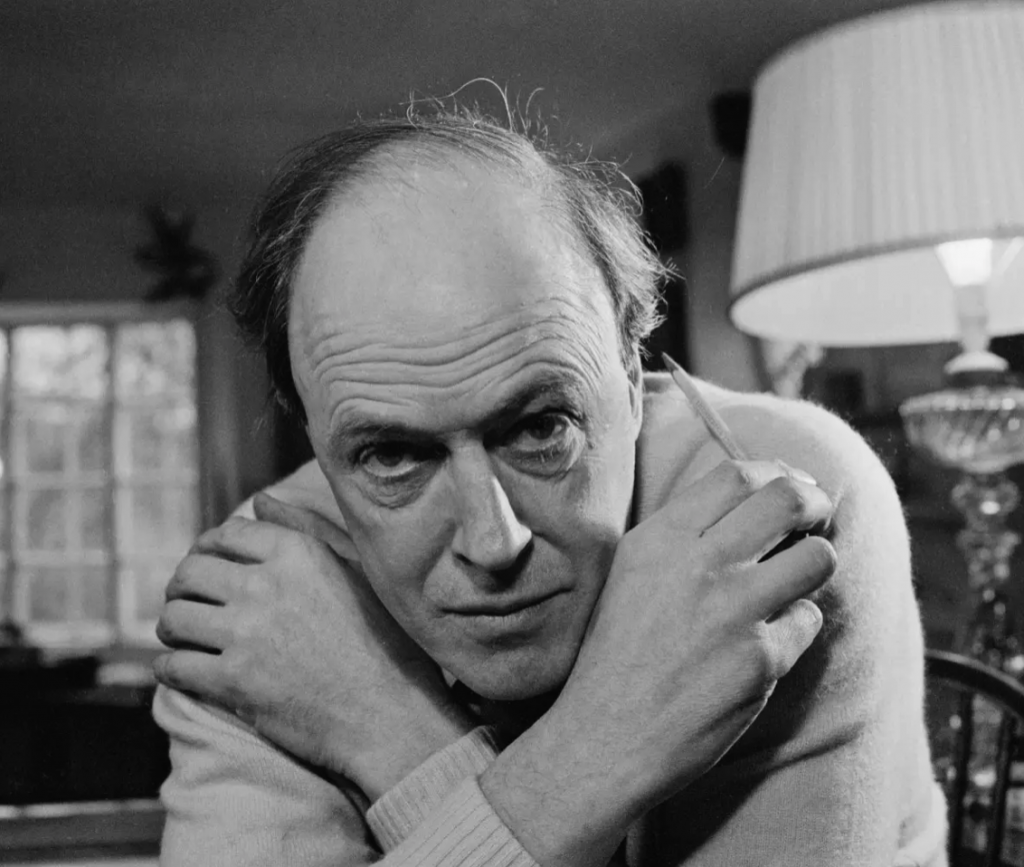
This week media outlets around the world have been debating the changes made to novels by Roald Dahl, who died in 1990 – changes intended to make his books more “inclusive”. Some people, including the publishers and the Roald Dahl estate, seem to think this is OK, we are simply moving with the times. Personally, I tend to agree with Salman Rushdie, who wrote: “This is absurd censorship. Puffin Books and the Dahl Estate should be ashamed.”
As Rushdie said, Roald Dahl was no angel. His penchant for Anti-Semitic remarks has generated a lot of unfavourable comment in recent years, and no-one can make excuses. The language of his books belongs to another era before the world began its descent into hypersensitivity, but an author’s choice of words is as distinctive as a fingerprint. Start softening and changing sentences to satisfy contemporary sensibilities, and you change our perceptions of the author’s personality.
When Dahl’s new editors remove words like “fat” and “ugly”, they excise the expressiveness from his sentences. Even with these modest art columns, when the Herald changes a word that I’ve chosen with care, it’s a huge irritation. It’s nothing short of a scandal to make so many small changes to best-selling novels to render them more acceptable to the small minds of the contemporary thought police. Even a reference to Rudyard Kipling, in Matilda, is changed to “Jane Austen”, because, as Time put it, Kipling “has been variously labeled a colonialist, a racist, and misogynist in recent years.”
Frankly, to change an author’s words after their death seems to me a gross infringement of moral rights, and a piece of opportunism on behalf of estate and publishers. Having sold a zillion books, Dahl is the goose with the golden eggs, and they think that by sanitising his work they will perserve those sales for a new, ultra-sensitive generation of young readers and pathetic parents. It’s a case of greed masquerading as morality.
How another author, Joanne Harris, can dismiss the rewriting as “just business” is gobsmacking. What sort of author is Ms. Harris when she thinks it’s perfectly normal to mess around with a successful writer’s words? “A hack”, would be the obvious answer. Books that are “just business” are rarely worth reading.
One of the changes to Dahl’s books was to change the word “queer” to “strange” in The Witches, but surely it would have been much more PC if the witches were capital-Q “Queer”. I write from personal experience here, because this week, the Herald chose to hold an art column on Braving Time: Contemporary Art in Queer Australia, at the National Art School Gallery. The reasons remain obscure, but I assume it’s because I spent the beginning of the column riffing on the rise of the word “Queer”. What I didn’t realise was that this is apparently a sacred subject that can only be spoken about in ways that are reverential or celebratory.
Readers of this newsletter will know this is not exactly my style. The concession is that I’ve been given the green light to publish the piece on the website, without the usual proviso of waiting until it has appeared on the Herald site and in print. This at least allows the piece to be of some value to the shows covered. The Herald’s decision to hold the article – for whatever reasons – means the NAS Gallery and Carriageworks will miss out on the massive publicity that comes with a review in the weekend paper. I don’t know who actually wins from this arrangement. It’s a lost opportunity for the gallery, a bad look for the newspaper, and a source of frustration for the reviewer. Anyway, I invite you to read the piece and let me know if you’re mortally offended.
The film column this week offers more value-for-money, being a double-header that looks at the last two films on the short list for this year’s Best Picture award at the Oscars: Everything, Everywhere, All at Once, and All Quiet on the Western Front. Both films have their good points, but neither left me feeling that I’d watched a cinematic masterpiece. There are, however, plenty of viewers who think otherwise, with Everything Everywhere enjoying cult status, and All Quiet’ winning seven BAFTAs. Ah, it would be a dull old business writing criticism if one were only permitted to say the same things as everybody else, or to sacrifice thought for the tepid pleasures of “inclusiveness”.